In Pakistan’s growing creative economy, talent alone isn’t always enough. What often sets professionals apart are their expansive experiences and the communities they’ve been part of. And this is where the saviour, extra-curricular activities, steps in. These are not just hobbies, but powerful tools for growth and career development.
Beyond the Desk: A World of Opportunities
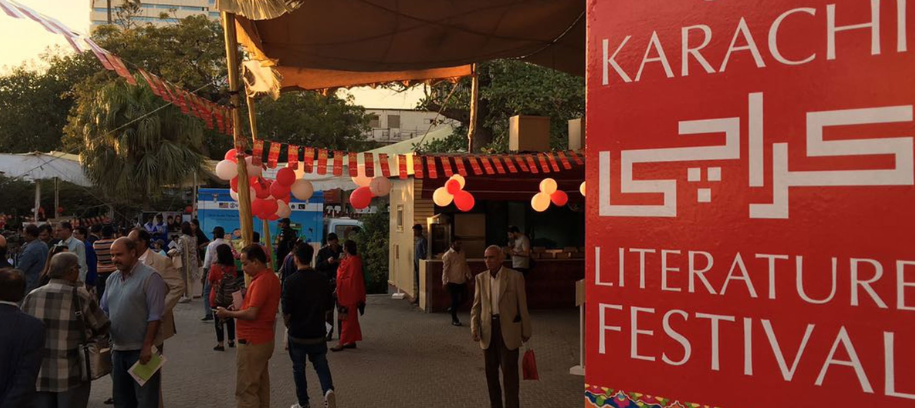
From art and literature to music and design, Pakistan’s creative scene is brimming with avenues to explore. The Lahore Literary Festival, for instance, isn’t just a gathering of writers and poets; rather, it’s a hub where ideas cross borders and new voices find their target audience. Similarly, the Karachi Biennale has become a stage where local artists showcase their work alongside international names, creating conversations that push creative boundaries.
On the other hand, workshops and training sessions are equally vital. Universities, NGOs, and independent organizations frequently host short courses that allow professionals to experiment outside their core field. The Indus Valley School of Art and Architecture in Karachi, for example, offers everything from animation to sculpting, giving participants hands-on exposure that feeds directly back into their professional lives. One of our favourites is their annual IVS Film Festival, providing an excellent output to the filmmaking community with networking opportunities across creative giants in Pakistan.
Indeed, there is no shortage of creative content in Pakistan; the only place where the country needs to continue to grow is in providing an accessible outlet for creative forces!
Networking, Inspiration, and Fresh Ideas
A common misconception that is often instilled into teenagers is that extra-curricular activities only translate to a better curriculum and polished skills. From a macro-lens, they’re about plugging into the wider creative ecosystem. Attending a seminar or an art show means rubbing shoulders with like-minded peers, mentors, and potential collaborators. For professionals, this kind of networking can open doors to new projects, partnerships, or even career shifts.
Extra-curricular activities are a gateway for creative minds in understanding their passions, so when you engage in something outside your daily work routine (let’s suppose a daily 9-5) or even those monotonous lectures you must attend, it is a spark for unexpected inspiration.
As humans, we’re wired for creativity. Neuroscientists have found that engaging in creative activities stimulates the brain’s dopaminergic system, the same network that fuels motivation and learning. Yet in today’s hustle-driven economy, most of us spend hours tied to singular, repetitive tasks that, while financially rewarding, leave little or no room for creative expression.
That’s where having an outlet matters. Studies reveal that people who pursue creative hobbies outside of work experience lower stress levels, improved problem-solving skills, and even a boost in workplace performance. In other words, sketching for 20 minutes, playing the guitar, or experimenting in the kitchen isn’t just leisure; it’s a productivity hack.
For Pakistan in particular, where nearly 64% of the population is under 30 (according to UNDP), fostering creativity outside rigid work routines could play a huge role in building not just healthier individuals but also a more innovative workforce.
Because while a desk job may pay the bills, it’s our creative pursuits that feed the soul.
For Pakistan’s creative industry, extra-curricular activities play a crucial role in building a culture of innovation and collaboration. They provide a space where individuals can experiment, learn, and grow, while also contributing to the larger artistic narrative of the country.
In short, creativity doesn’t thrive in isolation. It thrives in communities, in conversations, and in experiences that challenge the familiar. Here’s something from Shakespeare’s Hamlet to end with a lasting thought – “What a piece of work is man!” – cherish it, polish it, and give it an outlet, for there is no art without man, and no man without art.