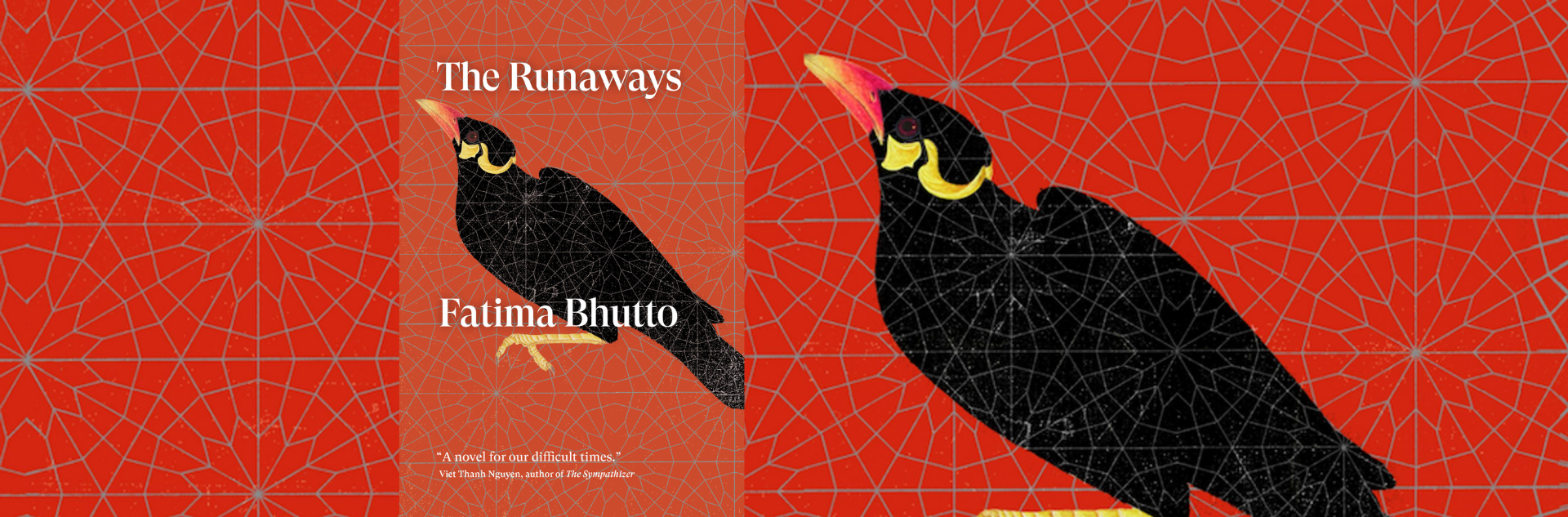
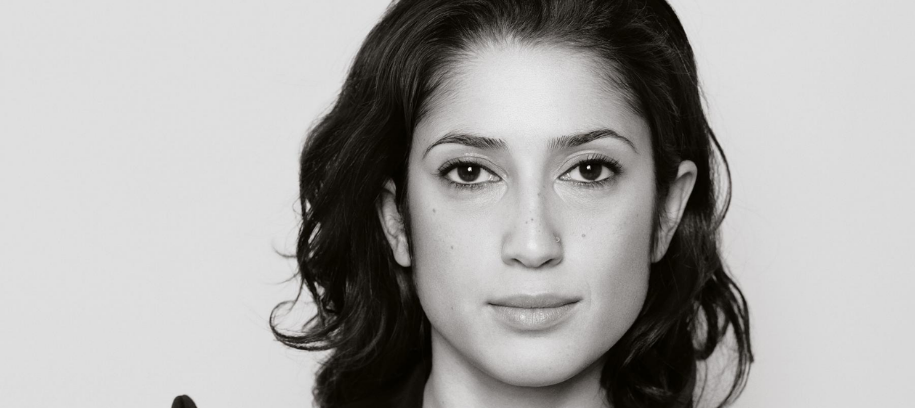
Fatima Bhutto isn’t just writing novels, she’s dissecting the world we live in. Born into Pakistan’s most storied political dynasty, she could have coasted on legacy. Instead, she’s built her reputation on words. Her style is testament to her upbringing and her world views – lyrical, unsettling, and deeply political.
Her 2019 novel The Runaways is perhaps her most urgent work yet, not because it chases headlines, but because it looks beyond them.
The Lives We Pretend Not to See
At its core, The Runaways isn’t about terrorism or radicalization, though are very prominent themes that loom in its pages. It’s about the people, 3 strangers from different walks of life, who cross paths and suddenly chaos abounds from every page turned.
Anita Rose, a girl from Karachi who dreams of escape, and Monty, a disillusioned British teen caught between cultures, and Sunny, a privileged boy suffocating under wealth’s emptiness. Their lives stretch from Karachi to London, Istanbul to Raqqa, but their ache is the same. Where do you belong when the world keeps telling you that you don’t?
Anita isn’t just a girl from the margins; she’s a young woman demanding to be seen in this patriarchal societal structure. While Monty isn’t just “radicalized youth”, he’s Bhutto’s case study of loneliness, masculinity, and misdirected longing. One common thread that binds her words together is that privilege doesn’t buy immunity from despair.
Here’s Bakhtawar Azam, our friendly resident bookworm, reviewing Bhutto’s novel and dissecting what goes well and some plot lines that just fall through:
When the Personal Meets the Political
What makes The Runaways sting is how personal choices bleed into political consequences. Bhutto doesn’t excuse the paths her characters take, but she forces us to ask the uncomfortable question often overlooked – what pushes someone to the edge? In an age where headlines flatten people into “terrorist,” “refugee,” or “lost youth,” her novel insists on complexity and character.
The global backdrop hasn’t aged and probably will not in the near future. With rising extremism, refugee crises, and identity politics burning hotter than ever in 2025, the novel feels almost prophetic.
Stylistically, Bhutto has always had a journalist’s eye and a poet’s ear. The prose in The Runaways carries the agony of our protagonist by taking risks. For example, the pace sometimes fractures, there are narrative jumps across chapters, and yet it works. And it’s simple, really, fractured lives demand fractured storytelling.
Plenty of novels talk about “identity” and “displacement.” However, fewer dare to ask what happens when identity is weaponized, when displacement becomes permanent.
The Runaways doesn’t offer neat resolutions. Instead, it lingers on the loneliness of a Karachi rooftop, the silence of a British suburb, the rage of a Raqqa battlefield. It’s not an easy novel. But it isn’t meant to be. Fatima Bhutto reminds us that literature isn’t always about comfort, instead sometimes it’s about confrontation. Because in the end, The Runaways isn’t just about Anita Monty, or Sunny. It’s about us, as individuals and the choices we have to make.