In Pakistan, the world of work is undergoing a quiet revolution. For decades, the gold standard was the stable 9–5 job, completed with a stressful commute, a desk, and predictable pay.
But today, young adults, especially Gen Z, are rewriting the rules. In this horrid job market, when even an entry position requires at least 8 years of experience, the younger generation is finding their own financial footing elsewhere.
Flexibility Above All
For many, the biggest draw is freedom. Instead of tying themselves to rigid schedules, more and more Pakistanis are embracing freelance platforms and remote work opportunities, attracted by flexibility and independence.
Globally, freelancing is booming, and Pakistan is no exception. According to Payoneer’s Freelancer Income Reports, Pakistan ranks among the top 5 fastest-growing freelance markets worldwide, and in the FY 2023-24, Pakistani freelancers generated$3.2 billionin export earnings, a healthy 24% jump from the previous year.
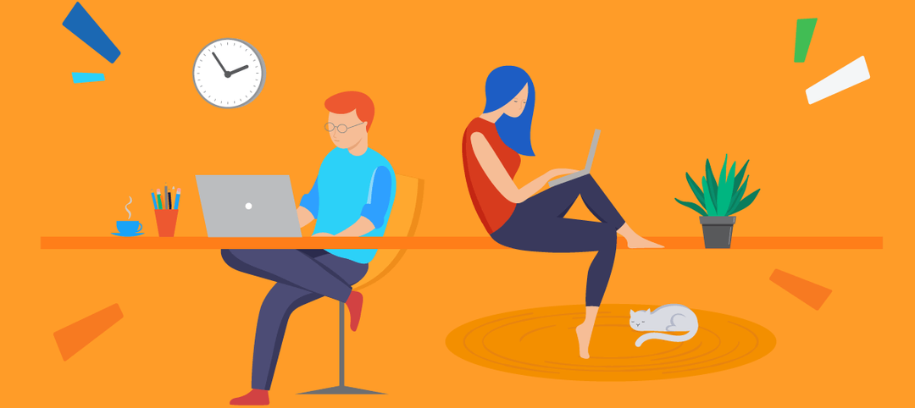
Traditional office jobs lock employees into a set routine, often leaving little room for family responsibilities, personal projects, or downtime. Remote and freelance work flips this equation. You can log in from home, a co-working space, or even a café, adjusting your hours to fit your lifestyle. For students, parents, and those living outside major cities, this flexibility is not just a perk, it’s a game-changer.
A Global Marketplace
Another major driver is earning potential. Platforms like Fiverr and Upwork have opened doors for Pakistani professionals to access a global client base. A skilled graphic designer in Karachi or a software developer in Lahore can now compete for projects around the globe, often earning more than they might in local employment. With digital skills in demand worldwide, the market rewards expertise rather than geography, giving young professionals far more control over their income.
Empowering Women
One of the most hopeful trends in this freelance revolution is the growing number of women entering remote work and freelancing, often where traditional job markets offered little space. In Pakistan, women’s overall labor force participation has long hovered below 25%.But freelancing offers a path around constraints like commuting, workplace mobility, and societal expectations.
Still, barriers are real. A study of work-from-home in Pakistan found that for many women, social norms, expectations at home, and limited infrastructure pose real hurdles. But keep your heads up high, the digital economy is rapidly changing, and women are at the forefront of this freelance revolution. Things will change for the better for all the women across Pakistan who are deprived of traditional career opportunities due to cultural and societal invisible barriers.
What Lies Ahead
While challenges remain, from inconsistent internet access to navigating international payment systems, the trajectory is clear. Remote and freelance work is no longer a side hustle; it’s becoming a legitimate career path.
The question is no longer whether remote work is here to stay. It’s whether traditional 9–5 structures can keep up with a generation that values choice, flexibility, and independence above all else.