The rise of social media has given birth to a new phenomenon — the influencer culture. In today’s Pakistan, influencers are not far behind A-list celebrities; in fact, they walk the same red carpets, share the same spotlight, and even bag opportunities once reserved for the biggest names in the industry.
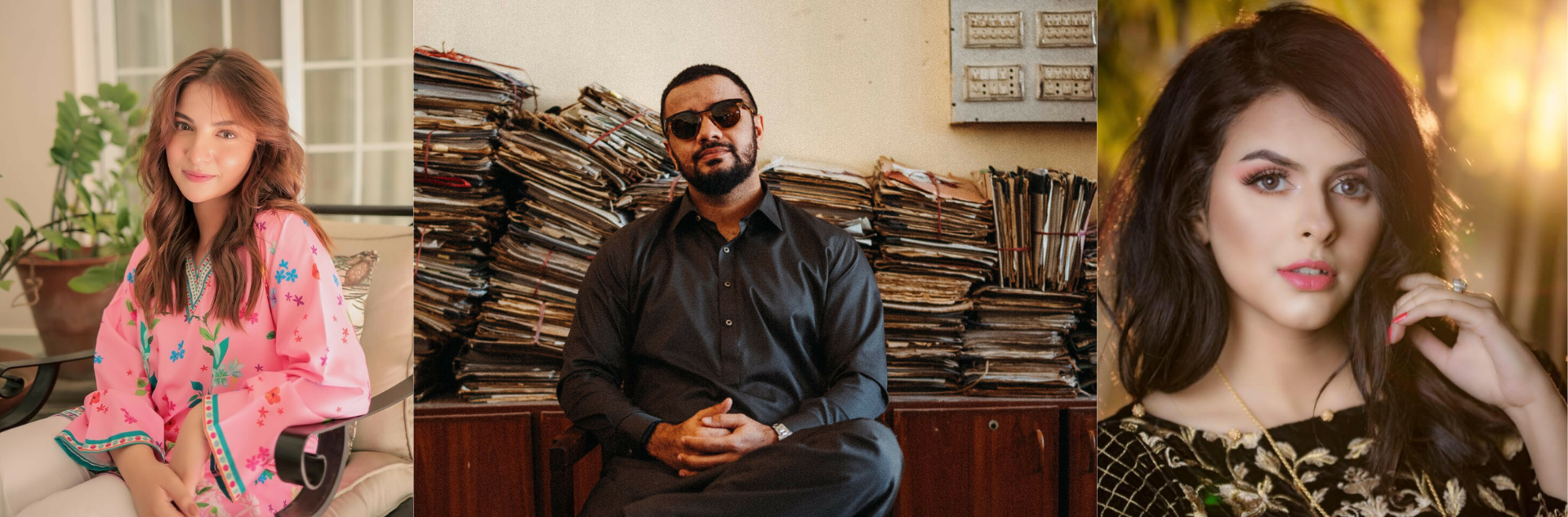
Take, for example, Irfan Junejo, this digital creator whose storytelling has secured some of the country’s biggest brand deals, Waliyaan Najib or even Dananeer Mobeen, whose viral “Pawri Ho Rahi Hai” clip turned her into a phenomenon overnight. Household names like Mahira Khan collaborate with digital creators such as Fatima Amjed to capture the attention of Pakistan’s chronically online youth.
But, on the surface, it’s all glitz, glamour, and trending reels. But step into the Upside Down and behind the filters and hashtags, another story emerges — a world where every post, comment, and like comes with pressure few can see. For many creators, the chase for views and relevance is relentless, leaving little room for rest, privacy, or peace of mind. Fame may shine online, but its mental cost often hides in plain sight.
Social media platforms like Instagram, TikTok, and YouTube have created a culture where people are judged based on their appearance, lifestyle, and popularity. Influencers are under immense pressure to maintain a certain image. This can devastate their mental health, leading to anxiety, depression, and in extreme cases – suicide.
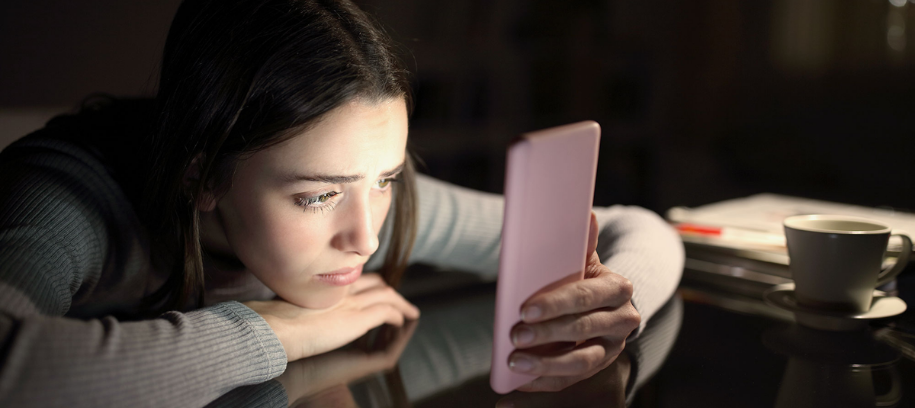
For example, Pakistani influencer Areeba Siddique shared her struggles as a social media influencer on Instagram, urging her followers to prioritize their mental health. There is constant pressure to create content and maintain engagement with their followers. They must be constantly available, responding to their followers’ comments, messages, and requests. This can lead to burnout and exhaustion. Here’s an illustration that perfectly summarizes this struggle
Next, because sadly, we have an extensive list of all those who have been crushed by this immense weight, take Dr. Maha Shah, a 25-year-old influencer and doctor, who allegedly took her own life in Karachi. Her tragic death shocked the country, reminding us that behind the perfectly curated posts and trending reels lies an emotional burden most of us can’t see. Every notification, comment, or expectation can feel like a weight that never lifts. This is what her final Instagram post looked like:
While Maha Shah’s story highlights the extreme pressures of modern social media, the phenomenon isn’t new. Qandeel Baloch, Pakistan’s first viral star, challenged societal norms with her bold videos. Her fame brought attention, opportunities, and millions of followers, but also relentless threats, judgment, and isolation. Every post was a risk; every video carried the weight of public scrutiny. Tragically, her life ended in an honor killing, a stark reminder that fame can collide with societal prejudices in ways most of us never see.
Not all viral fame ends in tragedy, but it rarely comes without pressure. And in the societal reality across South Asia, even the light-hearted stars like Dananeer live under invisible pressure. Viral fame may seem playful, but every meme, every clip, comes with the expectation to keep producing, keep entertaining — or risk disappearing from public memory. Fame becomes a treadmill; exhaustion, the default state.
Comparison, Burnout, and the Internet Police
The influencer culture has also fueled a dangerous “comparison culture,” where people constantly measure themselves against the curated, polished lives of creators. The result? Feelings of inadequacy, low self-esteem, and even body dysmorphia.
But for the majority of influencers, the reality is much harsher. They’re not only battling the burden of comparison but also the constant attacks of the faceless “internet police”.
Imagine living under a magnifying glass where every meal, outfit, and smile is weighed against someone else’s perfectly edited life. No wonder feelings of inadequacy, low self-esteem, and body dysmorphia are widespread. The digital applause may fill your pockets, but it can hollow out your mind.
At the heart of it, influencers may look untouchable on screen, but offline, they are carrying the same fragility we all do. The toll of influencer culture on mental health can no longer be brushed aside. Recognizing their struggles is the first step to building a healthier, more empathetic digital culture.
Influencers aren’t algorithms. They’re people. And while the internet demands “content,” what it often consumes instead are their peace, their privacy, and sometimes even their sanity.
The endless cycle of content creation drains creators mentally and physically, especially for women, who are excessively trolled or harassed for some immature laughs. Add to this the spread of misinformation or invasive gossip, and what may look like harmless online chatter actually endangers someone’s literal bread and butter.
Likes, views, and followers might pay the bills, but they also come with a silent tax on mental health.
The challenge isn’t just to critique influencer culture, but rather it’s to recognize the emotional labor hidden behind each post. For the creators, balance is key: acknowledging limits, seeking support, and understanding that their value is more than their digital persona. While for the audience, empathy is key: remembering that a glossy feed rarely reflects the reality beneath.
In the world of viral fame, the cost of living online is invisible, but it is real. And acknowledging that reality is the first step toward a healthier, more compassionate digital culture in South Asia and beyond.