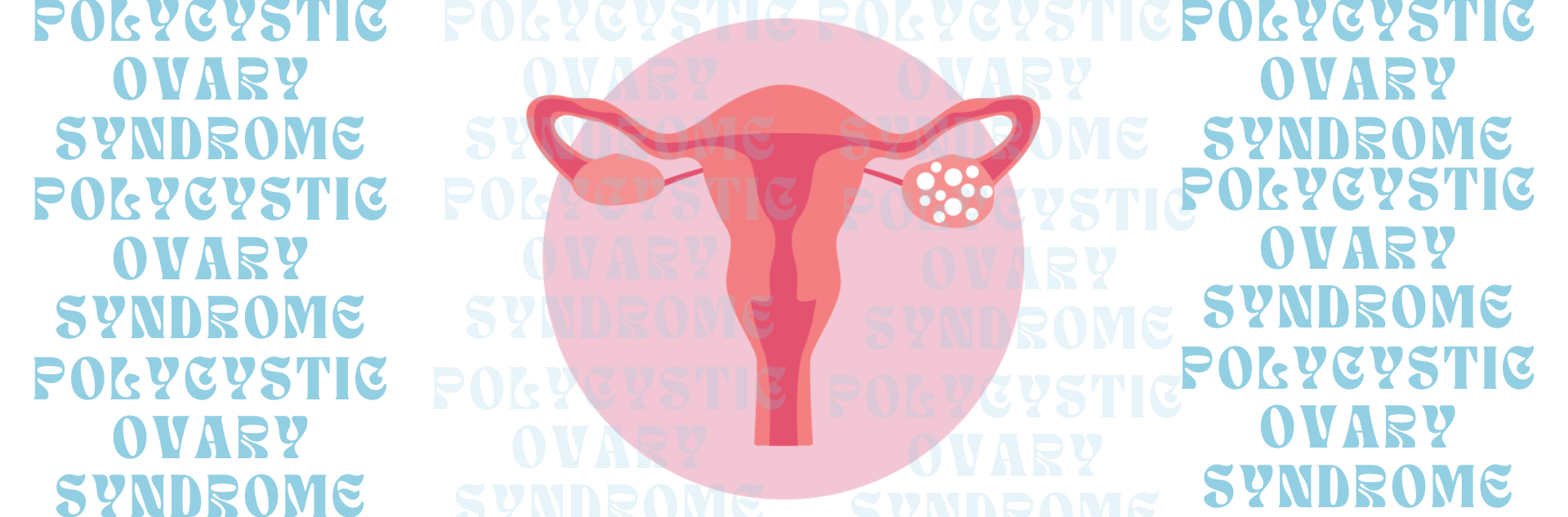
Polycystic Ovary Syndrome (PCOS) is one of the most common hormonal disorders affecting women worldwide, and South Asia is no exception. Globally, PCOS affects about 1 in 10 women of reproductive age, but in South Asia, studies suggest the number may be even higher: some estimates show 1 in 5 women may be living with PCOS in Pakistan, India, Bangladesh, and Nepal.
And yet, despite its prevalence, PCOS often remains undiagnosed or dismissed, leaving countless women to quietly battle symptoms that affect their bodies, their mental health, and their futures.
Understanding PCOS: More Than Just Irregular Periods
PCOS is caused by hormonal imbalances, specifically higher levels of androgens (male hormones) and insulin resistance. These imbalances disrupt ovulation and affect multiple systems in the body.
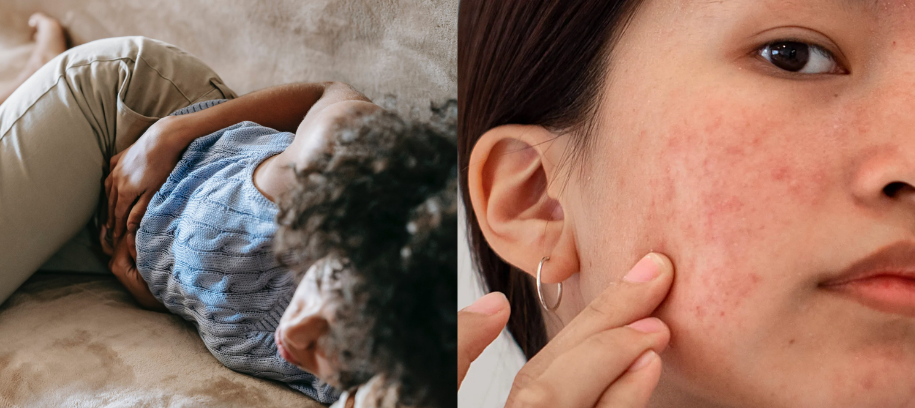
Symptoms often show up in everyday ways, from missing cycles, stubborn acne that won’t go away, or hair growth in unexpected places, to thinning hair on the scalp or sudden weight changes.
PCOS is not just about reproductive health. It increases long-term risks for: Type 2 diabetes (women with PCOS are 3–5x more likely), high blood pressure and heart disease, infertility and pregnancy complications, endometrial cancer, if left untreated
The Emotional Weight of PCOS
Living with PCOS is not only a physical struggle, it can take a heavy psychological toll. Studies show women with PCOS are up to three times more likely to experience anxiety and depression.
For many South Asian women, the stigma makes it worse. In cultures where marriage and fertility are heavily tied to a woman’s worth, PCOS can create silent shame. Symptoms like acne, weight gain, or facial hair attract unnecessary comments from relatives and peers, leaving women isolated, embarrassed, or battling low self-esteem.
Why PCOS Often Goes Undiagnosed in South Asia
In South Asia, PCOS often slips under the radar for years. Irregular periods are dismissed as “normal” or attributed to stress, while the stigma around reproductive health discourages women from seeking medical help.
In rural areas, limited access to gynecologists and endocrinologists further complicates diagnosis. Even in urban centers, PCOS is too often framed only as a “fertility problem”, noticed primarily when a woman struggles to conceive. This silence means countless women wait years before receiving a diagnosis, by which time complications such as diabetes, high blood pressure, or severe hormonal imbalances may already be well established.
So, PCOS, for a 23-year-old in Lahore, might mean explaining away facial hair as ‘hormonal issues’, for a newly married woman in Dhaka, it might mean battling questions about why she hasn’t conceived yet.
Managing PCOS: A Lifelong Approach
There is no “cure” for PCOS, but with the right care, symptoms can be managed and health risks reduced. Treatment often includes:
- Lifestyle changes – Balanced diet, regular exercise, and weight management improve insulin resistance and symptoms.
- Medication – Birth control pills, anti-androgen drugs, or metformin may be prescribed depending on the case.
- Mental health support – Therapy and support groups can help women navigate anxiety, depression, and self-esteem issues.
- Fertility treatments – For those trying to conceive, options like ovulation induction or IVF may be available.
PCOS is not just a “women’s issue”; it’s a public health concern. In South Asia, where millions of women are affected, raising awareness is critical. Early diagnosis can prevent long-term complications and improve quality of life.
If you suspect you may have symptoms of PCOS, don’t ignore them. Speak to a healthcare provider, push for proper tests (ultrasound, blood work, hormone analysis), and demand the care you deserve.