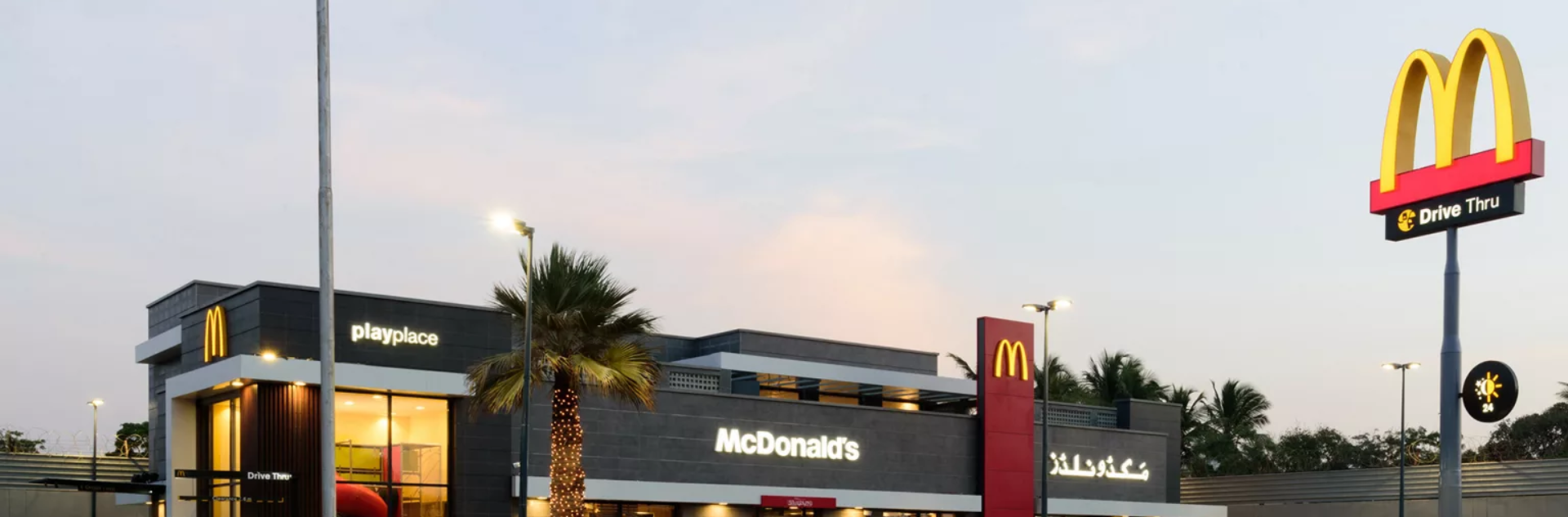
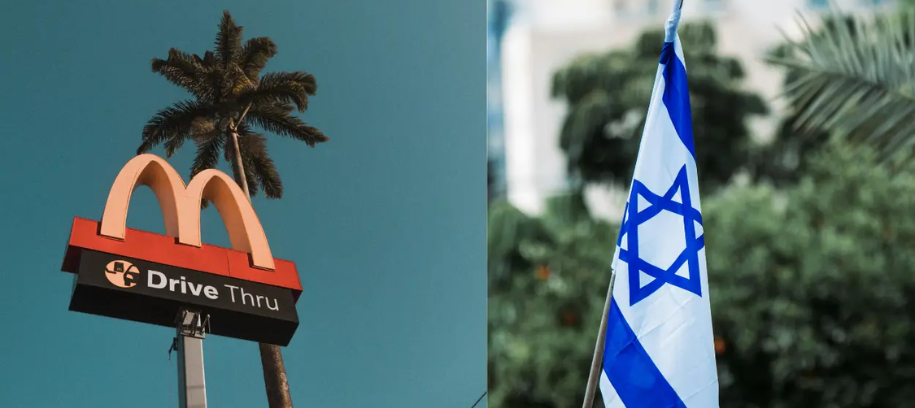
When McDonald’s Israel publicly announced that it was providing free meals to Israeli soldiers during the ongoing war in Gaza, the response was immediate and furious. The post has now been deleted, but social media campaigns spread across the globe like wildfire, calling for a boycott of McDonald’s. In Pakistan, too, the golden arches quickly emptied as citizens voted with their wallets in solidarity with Palestinians.
But here’s the uncomfortable question: does this boycott actually harm the global corporation, or does it mostly hit the 6,000+ employees who rely on McDonald’s Pakistan for their livelihoods? What is the reality of this boycott?
The controversy began with a single act of solidarity in Israel, however, it’s important to recognize that McDonald’s operates on a franchising model. In countries like Pakistan, Turkey, and South Africa, local franchises are independently owned and managed. They decide their own communication strategies, hire local staff, and reinvest in the community. Yet, because McDonald’s is a global brand, actions in one country reverberate everywhere.
For many Pakistanis, the boycott became an accessible way to express outrage against injustice. But in a country already weighed down by inflation, unemployment, and a fragile economy, the cost of boycotting hits differently.
Two major schools of thought have emerged around this boycott.
The first is simple: McDonald’s is a global corporation. Regardless of who owns the franchise, a portion of revenue goes back to headquarters in the form of royalties and fees, so by boycotting, consumers are making a moral stand. The official Instagram page of the BDS movement (Boycott, Divest, Sanction) announced that McDonald’s lost over $7 billion in revenue since the boycott began!
Now, let’s look at the second school of thought, a more pragmatic one. A magnified lens into the Pakistani market. While making a political statement matters, blanket boycotts risk punishing the wrong people. In Pakistan, the majority of McDonald’s employees are frontline workers, crew members, janitorial staff, and security guards, many of them women. So, when the plunging sales forced the closure of one of the first foreign fast-food branches in Karachi, which was launched in the 1990s, a lot of (real) people lost their livelihoods.
For these workers, the debate isn’t global politics, it’s whether they can pay rent next month.
McDonald’s Pakistan isn’t just a fast-food chain. Its presence has contributed to the local economy in multiple ways: training young workers in hospitality, creating business partnerships with local suppliers, and even supporting Pakistani athletes and foundations by linking them to international events like the Berlin Marathon.
In fact, McDonald’s Pakistan publicly donated PKR 10 million through the Edhi Foundation to support Palestinians, a gesture that, while symbolic compared to the scale of the crisis, shows that local franchises are trying to carve out their own position.
The protests outside McDonald’s outlets reflect a very real anger, but they also raise a troubling paradox. On one hand, boycotts are an accessible way for ordinary citizens to participate in global solidarity movements. On the other hand, they can unintentionally undermine local workers who have no say in global politics.
It’s also worth noting that a global boycott is unlikely to dismantle a corporation as vast as McDonald’s. What it will do, however, is destabilize jobs in Pakistan at a time when secure employment is already rare.
None of this is to suggest that outrage is misplaced. The images from Gaza have moved millions, and collective action is powerful. But perhaps the conversation needs to expand: how can we channel our solidarity without hurting vulnerable local communities?
Direct donations to trusted organizations, supporting Palestinian businesses, or lobbying governments for meaningful policy changes may be more impactful paths than targeting franchises staffed by everyday Pakistanis.
Because at the end of the day, boycotts are about choices. And the choices we make should weigh both moral conviction and practical consequence. In the rush to stand with one community, let’s not forget the workers at home who are also caught in the crossfire of decisions made far away.