Playing games is at the core of being human; they’re a channel to bonding, developing an understanding of challenges, and strategizing to turn ordinary evenings into lifelong memories.
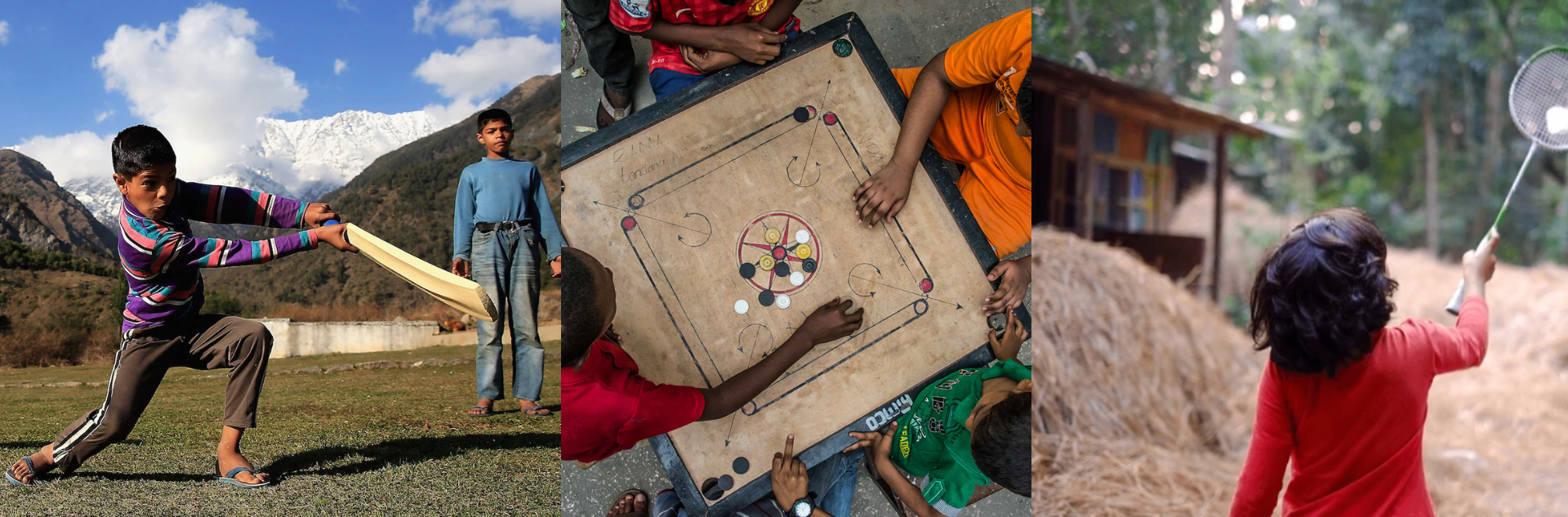
From the marble-lined floors of old homes echoing with carrom striker clicks, to cricket bats made swinging through the air in narrow galis, South Asia has always had its own flavor of play. And in today’s world of video games and esports, those echoes still matter for all ages alike.
Ludo Nights and Carrom Duels
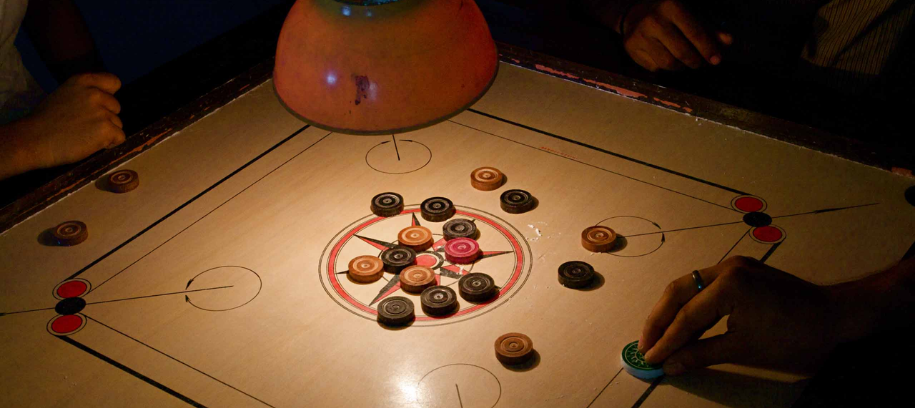
There is no such thing as a simple board game night in a South Asian household. For example, Ludo is not just a game for us; it’s life or death. With every roll of the dice, friendships have ended, alliances have been forged, and yes, boards have been flipped when someone refused to accept a loss.
While somewhere in the other room, the elders dust off their antique carrom boards, tuck them under sofas, and the walls come alive at once with the echoes of the satisfying thak from the carrom striker as the queen dunks into the far-right board pocket.
This kind of laughter only comes out when someone shamelessly cheats their way to victory.
Gali Cricket and Street Tournaments
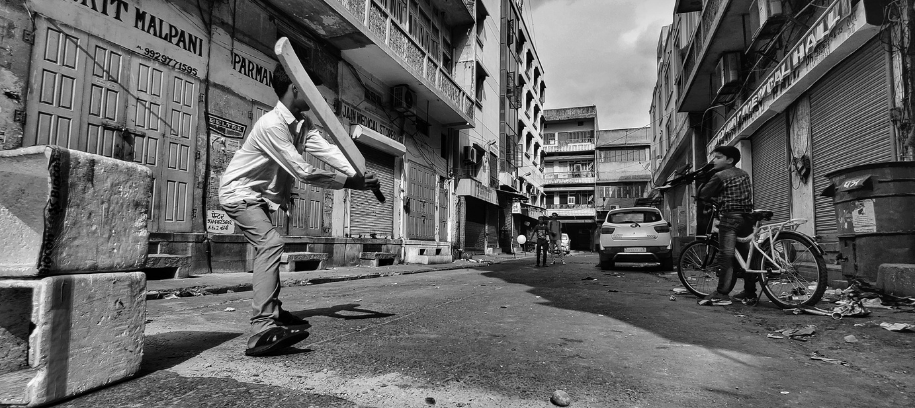
A loud cheer, rattling gates, and maybe a broken flower pot and window here and there. Step outside, and you’ll hear it — the sharp crack of a taped tennis ball smacking against a battered bat, echoing through narrow lanes.
As we know and love it, Gali cricket comes with its own rules, which change every street you turn. For example, if the ball lands on the neighborhood aunty’s roof, you’re not just out, but you’re on walk of shame duty to retrieve it. A hit that rattles the gate hard enough to shake the hinges? That’s a four. And let’s not forget about the number of balls permanently living in parosi wale uncle’s balcony – gone but not forgotten.
And when the cricket fever cools, badminton takes over driveways and courtyards, with plastic chairs doubling as nets. It’s less about perfect technique and more about who lasts longest under the dim glow of the flickering streetlight, and who uses wind as an excuse to turn the points in their favour.
There’s never a dull moment on our streets. Games are more about “just playing”; they’re about noise, community, and memories that warp every corner of every street.
However, let’s not forget about the digital playground completely.
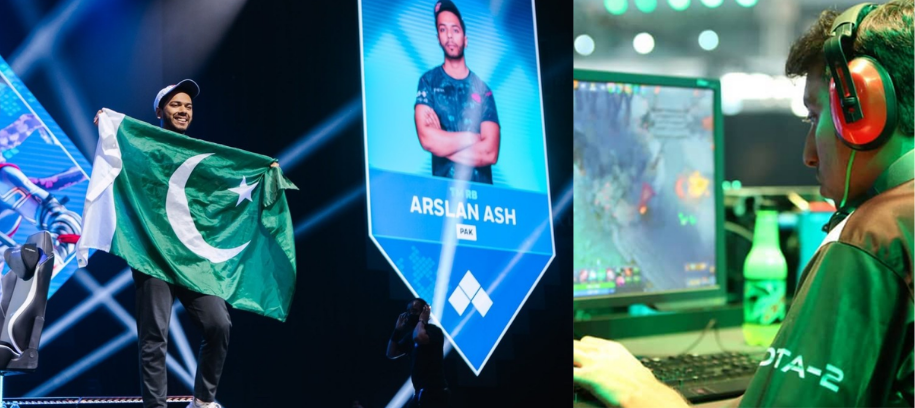
The 21st century has brought us a new kind of playground. Video games like FIFA, PUBG, or Call of Duty have carved out a space in living rooms and internet cafés across South Asia.
Esports has turned neighborhood champions into global contenders. Remember the kids who used to sneak into gaming zones after school? Today, players like Naman “MortaL” Mathur from India dominate PUBG Mobile tournaments, while Pakistan’s Shahzeb “ShahZeb” Khan has made waves in CS:GO competitions, proving that South Asian gamers can hold their own on the world stage.
These aren’t just wins; they’re a statement that the subcontinent’s digital warriors are here to stay. And they are just as capable of winning hearts and matches like our fierce cricket gully boys.
However, not all play has to happen in the streets. Some happen around a large white sheet, with everyone gathered around. We’re talking grandfather, aunties, cousins, huddling around a deck of cards for a game of 29 or Teen Patti, or launching into a passionate antakshari battle that lasts until midnight.
Because let’s be honest, one of the best memories we all share is rooted in such evenings spent indoors. When the whole family is together, there is laughter, cheating, inside jokes, and endless debates over who really won. There’s something about family game night that no other game can recreate.
At the end of the day, whether it’s cricket under a flickering streetlight, a board flipping Ludo match, or late-night gaming marathons, games are what keep us human.
They connect generations, spark creativity, and give us stories we retell years later.