For many across South Asia, hair isn’t just hair; it’s beauty, class, and confidence. It’s a cultural ornament, a symbol of identity for millions of South Asian women. Even centuries under colonial rule couldn’t dim the pride we held in our hair, a quiet yet defiant emblem of dignity and resilience.
So when hair represents royalty, self-respect, and status all at once, losing it carries far more than a physical consequence, it can leave a deep psychological scar.
Our Crowns of Identity and Culture
A thick head of hair is celebrated during weddings, festivals, and family gatherings. Losing hair can feel like losing a part of one’s identity. The societal pressures to maintain a youthful appearance can be overwhelming, especially when family members or friends make unsolicited comments about one’s hair.
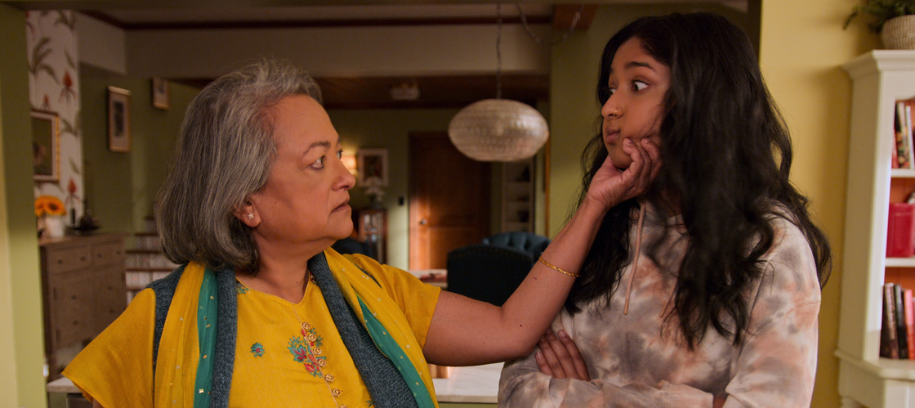
And yes, aunties may approach you, lean in too close for comfort – all just to take a closer look at your hair line. Don’t be surprised.
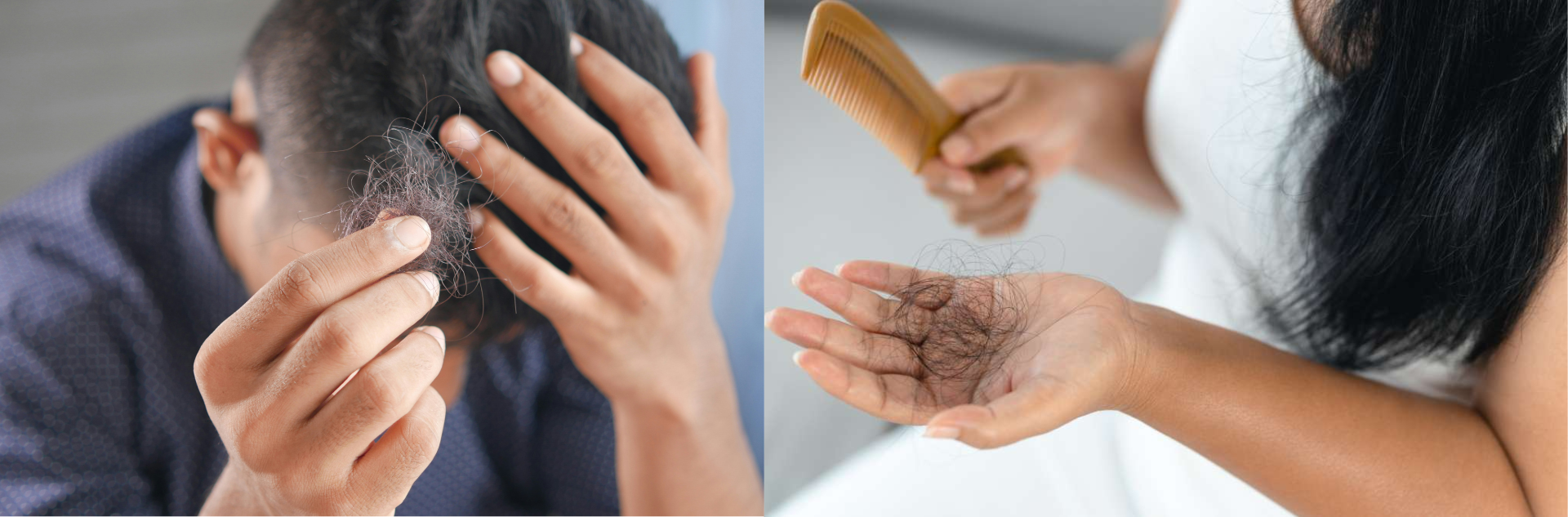
Sadly for South Asians, particularly men, genetics plays a huge role, and they are often predisposed to hair loss. While South Asians generally have lower rates of hair loss than some Western populations, many are more prone to premature thinning and baldness, making it a widespread concern.
Here’s the reality in numbers, according to Pakistani medical experts, 70% of individuals up to middle age experience baldness. Nearly 20% start losing hair in their 20s, 40% by their 40s, and 50% by their 50s. That means millions, both men and women, are navigating hair loss earlier and more visibly than ever.
Globally, nearly 41–73% of Asians encounter pattern hair loss at some point in life.
So no, you’re not alone, and South Asia is no exception.
The Many Faces of Hair Loss
Hair loss isn’t one-size-fits-all. It can be caused by:
- Genetics (androgenetic alopecia/pattern baldness)
- Nutritional gaps, especially in iron and vitamin D
- Lifestyle stressors like poor diet, pollution, and chronic stress
- Tight hairstyles are causing traction alopecia
- Hormonal shifts (postpartum, PCOS)
- Rare conditions like alopecic nodules
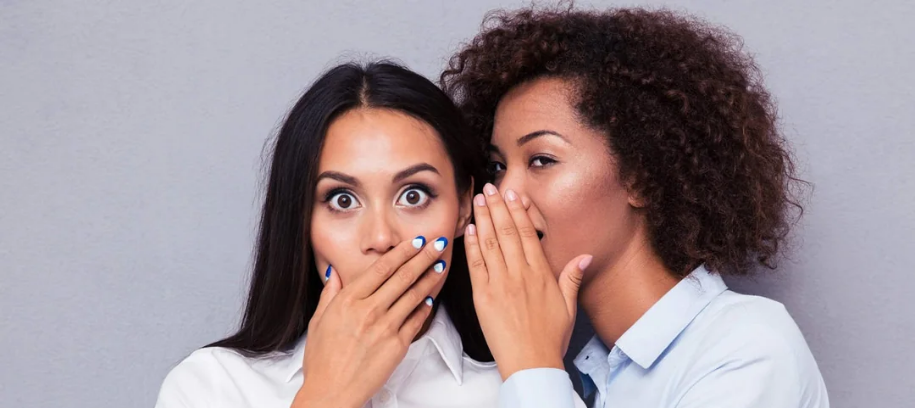
In our cultural context, the struggle deepens when family WhatsApp groups and aunties’ commentary amplify insecurity. A hat or a scarf might cover your scalp; it can’t mute the whispers.
The Physical Side of Hair Loss
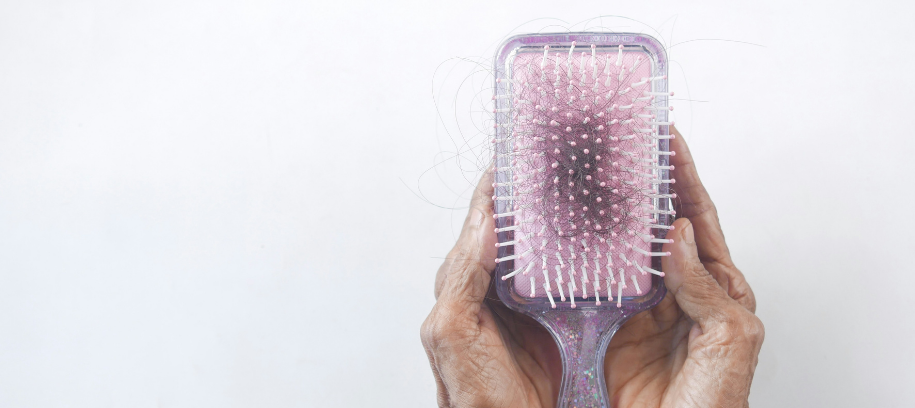
It’s not just about aesthetics. Thinning hair can make your scalp sensitive or itchy. Some people even feel hotter in summer or colder in winter. Treatments exist, topical solutions, medications, and even hair transplants, but they are expensive, sometimes painful, and results vary.
In South Asia, there’s also the added pressure of “miracle” oils and home remedies, which can be confusing and stressful for many.
Coping Without Losing Your Mind
Managing hair loss is as much about mental strength as it is about physical care. Focus on what you can control:
- Proper nutrition
- Stress management, and
- Seeking professional guidance, if needs be (there’s no shame in it)
Surround yourself with supportive friends who understand the struggle, and maybe mute that WhatsApp family group if necessary.
Most importantly, remember: thinning hair doesn’t erase your charm, your accomplishments, or your worth. With humor, self-compassion, and a little patience, you can navigate weddings, family gatherings, and selfies without letting hair loss define you. Because in the end, confidence isn’t measured in strands, it’s in the way you carry yourself.