From Ankahi to Tere Bin: The Evolution of Pakistani Dramas and their Cultural Significance
For the nation and its devoted audiences, Pakistani dramas are never “just television. They’ve been a mirror, a mood, and often times a megaphone for pressing societal issues. For decades, they’ve pulled families into living rooms and glued them to the screen, made them experience uncontrollable laughter to salty tears and some even make you curl up your first in utter rage.
It’s remarkable how these characters on screen can make us feel a range of emotions, and from Ankahi to Tere Bin, every era has given us something new, reshaping the very legacy of Pakistani storytelling. Let’s take a walk through the empire that is the Pakistani drama industry today;
The Trailblazers: 1980s
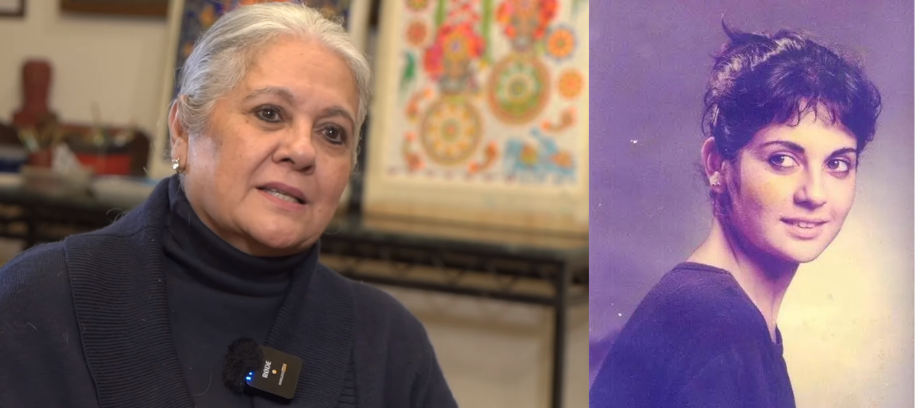
Take Ankahi, a drama that shook things up in the ’80s. It wasn’t just another family saga, but rather it dared to center on a woman who was fearless, witty, self-assured, and unapologetically independent. For an industry used to tearful, self-sacrificing and dependant female leads, this was a radical change.
Shahnaz Sheikh walked – so today’s stars like Mahira Khan, Sajal Ali, Ayeza Khan could run! Ankahi cracked the door open for dramas to move beyond standard melodrama and explore fresher themes and bolder aesthetics with women leading forefront.
The Golden Glow: 1990s
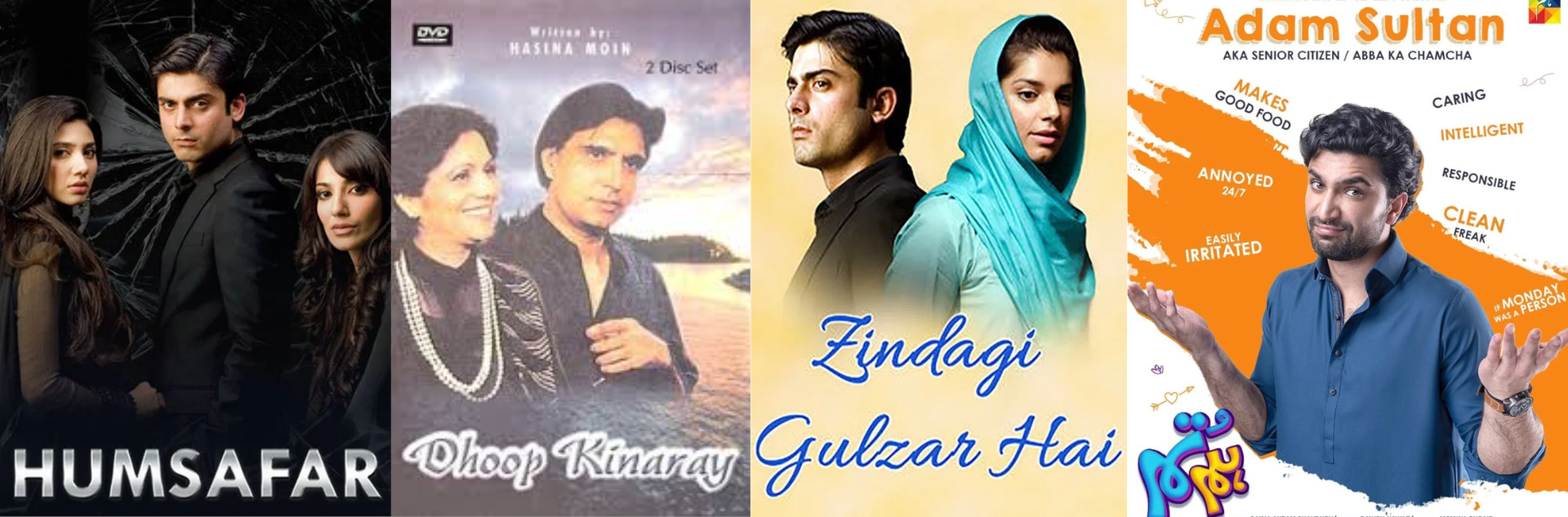
By the ’90s, Pakistani dramas had truly hit their stride. Dhoop Kinare and Tanhaiyan weren’t just “shows”, they became cultural events. They captured friendship, love, and family dynamics with realism that audiences hadn’t seen before.
No over the top monologues, no extreme and unrealstic villains, just regular people, who felt real. They were part of the same society we grew up in, and that created the magic of connection with audience beyond screen play. For a generation, these stories weren’t just entertainment; they were a reflection of daily life.
The Global Wave: 2000s
Then came the 2000s, the year Pakistani dramas went international. The recognition we deserved was finally rolling in. Humsafar and Zindagi Gulzar Hai weren’t just local hits, they became phenomena. Fawad Khan was suddenly in every conversation across all households in Pakistan and abroad.
These dramas explored class divides, gender politics, and messy power dynamics while showcasing Pakistan’s beauty and cultural richness. Suddenly, audiences across borders were bingeing our dramas, the gates had finally opened and the global exchange had officially begun.
Breaking Norms and Legacy
Fast-forward to today, and the landscape is still shifting. Hum Tum gave us playful rom-com energy with modern sensibilities. Tere Bin touched raw nerves, sparking endless debate around toxic masculinity, stereotypes, and shifting gender roles. Love it or hate it, it proves one thing: dramas are still cultural battlegrounds, pushing us to confront uncomfortable truths while keeping us hooked to the screen.
Pakistani dramas aren’t just content, they’re continuity. From Ankahi’s patriarchy-defying heroine to Tere Bin’s messy exploration of toxic love, these stories hold up a mirror to our society while nudging it forward. They challenge, comfort, provoke, and entertain often all at once. And their legacy? Still growing, still evolving, still very much alive.