Casting Magic: The Art of Bringing Characters to Life
The Pakistani drama industry has two secret ingredient: our digests and our casting.
Khawateen Digest, Shuaa Digest, Pakeeza Digest is the holy trinity that raised generations of readers on slow-burn romances with tragic twists, and heroines with more patience than any saint to ever exist. However, stories alone don’t make legends. What transforms a script into something unforgettable is casting. Get it right, and a character breathes off the page. Get it wrong, and even the most powerful plot falls flat.
When Casting Gets It Right
The hardest part of adaptation? Not losing the heart of the original, and alot of it has to do with the characters bringing it to life.
Take Yaqeen Ka Safar (2017), based on Farhat Ishtiaq’s novel. On paper, it was emotional turmoil and moral dilemmas and on screen, thanks to Farhat’s own script and the subtle performances of Ahad Raza Mir (Dr. Asfandyar) and Sajal Aly (Dr. Zubia), it kept that raw, aching sincerity intact. They weren’t just acting, they embodied the roles so fully that fans still call them one of Pakistani TV’s best on-screen pairings.
Or Zindagi Gulzar Hai (2012). Would it have worked without Fawad Khan’s stern, principled Zaroon and Sanam Saeed’s uncompromising Kashaf? Probably not. The casting didn’t just “fit”, it elevated the drama into a cultural landmark it is today.
Casting is a Gamble
Casting is rarely a safe bet. You can have the best script in the world, but miscast the lead and the spell breaks. Characters don’t just rely on dialogue — they live in an actor’s eyes, voice, and silences.
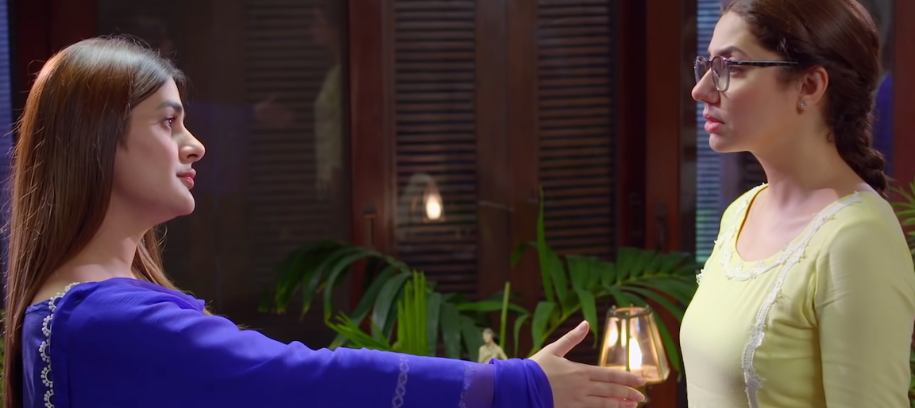
One bold example isHum Kahan Ke Sachay Thay (2021),Umera Ahmed’s complex novella.Mahira Khan was cast as Mehreen, and this was definitely a gamble. Half the fandom argued she was “too glamorous” to play Mehreen, since the adaptation leaned on moody cinematography, layered dialogues, and an eerie soundscape to echo the novella’s psychological intensity. People wondered if Mahira was too bold of a choice. The result? A performance that split the audience but proved unforgettable. Mahira’s restraint and haunted expressions ensured Mehreen’s inner chaos wasn’t lost in translation.
This proves that casting isn’t just about filling a role, it’s about sparking conversation. The character in your head will never perfectly match the one on screen. What matters most is whether the performance makes you believe.
When the Camera Becomes a Character
Of course, even perfect casting needs backup. This is where TV wields its power. Words can describe a scene, but the camera lets you live in it.
Hum Kahan Ke Sachay Thay excelled in this. It perfect paired haunting visuals into an echo of Mehreen’s suffocating reality. Spolier Alert: but here’s a slight snippet from the drama, a stunning visual work and dialogues which makes you feel the agony of Mehreen through the screen
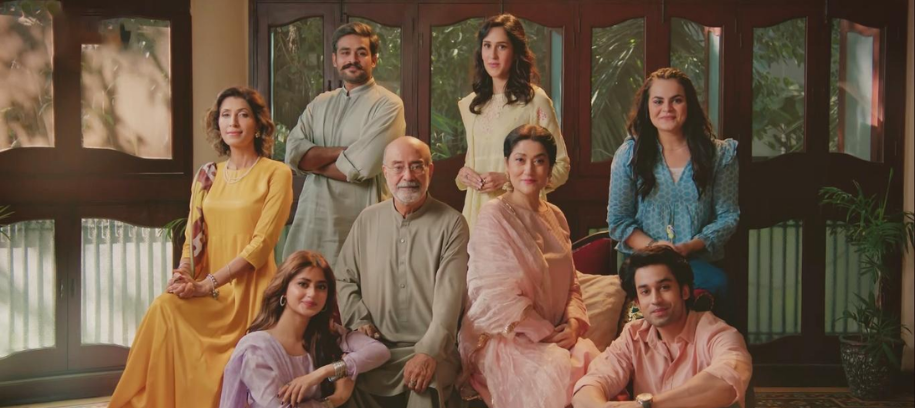
On a lighter plot note, more recent dramas likeKuch Ankahi (2023) don’t just tell a story; they frame a mood with their camera flow. The art direction, Karachi backdrops, and naturalistic lighting give audiences that sense of being there, as part of the story. The digest may give you imagination, but TV gives you immersion.
Why It Still Matters
Every time a Umera Ahmed story gets adapted, or a new drama channels that digest vibe, Pakistani entertainment proves one thing: these stories still work. But it’s not just the stories, it’s the people who play them. The emotions, the flawed heroes, the suffering heroines, the high-stakes family politics — all live or die on the art of casting.