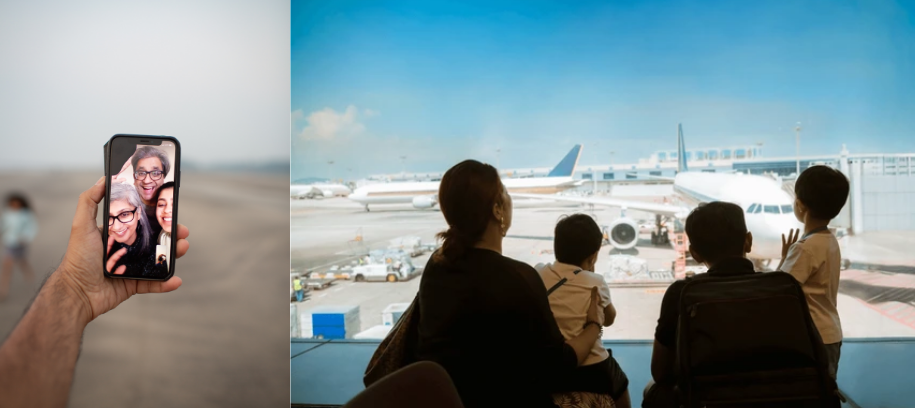
Time and time again, moving abroad has been likened to the experience one has on a rollercoaster. There’s novelty and thrill at every turn, until the ride takes its jarring drop. The one that feels less exhilarating and a bit more like biting into the lone elaichi (cardamom) maliciously hiding in your plate of biryani.
Suddenly, every next bite is uncertain and, quite frankly speaking, never quite the same. Expatriates are individuals who take up residence in a foreign country temporarily for work, lifestyle, or education. They drag this burden with them almost daily.
And it’s not just the suitcases that get heavier, but the unseen baggage too, stuffed with anxieties, homesickness, and self-doubt, emotional luggage that follows them long after the airport carousel has stopped spinning.
Mental Health Challenges Faced by Expats When Moving Abroad
There’s joy in new experiences, but also isolation. You have to navigate strange streets, decode social norms, and figure out how to make friends from scratch. The foreign air lingers with anxiety, loneliness, homesickness, and a hefty pinch of self-doubt.
So understanding the expat identity is crucial; it’s not just the thrill of adventure, but the hidden mental health toll that comes with it. Acknowledgment is the first step to managing one’s mental health when moving abroad.
The first bite of Culture Shock
Culture shock is the sharp crack of the whip that comes after the honeymoon phase. Suddenly, the new way of life feels overwhelming, not exciting. The streets are not instagrammable anymore, but rather an endless maze. Even the tiny differences, the way people greet each other, (two kisses in Italy v.s three in the Netherlands), or the no-smiling at strangers social rule in Slovakia may serve as daily reminders that you are an outsider.
The initial excitement of novelty quickly gives way to exhaustion, frustration, and a gnawing feeling that maybe home wasn’t so bad after all. And while there’s nothing a cup of tea cannot fix, wait till you scour the whole city for your favorite tea bags. Suddenly, coffee becomes the new chai.
More Emotional Salt and Pepper (because that’s all you can find)
Adjusting to life abroad isn’t just about culture; it’s very emotional too (very). Loneliness, anxiety, and self-doubt are suddenly what your mid-day thoughts look like. Lunch breaks remind you of home, so you skip them, and really, who has the time to nap anyways?
But expats need more than just a pinch of salt and pepper, they need real socioemotional support. There is a deep longing for the comfort of your childhood snacks on the supermarket shelves, the whiff of endless fresh coriander in your kitchen, and the fiery kick in the green chillies you would always find at home.
That’s when it hits you, homesickness isn’t just yours. Everyone around you is secretly craving the same comfort.
So, what’s in the Survival Kit?
Life as an expat will never get easier. There are days which often feel heavier than the other, while others breeze through heaps of responsibilities. Effort is slow but endearing, and there’s no linear expression of either. But, here’s a couple things to take with your evening tea:
- Duolingo won’t save you, enroll in a real language class
- Find your people, (fellow expats = lifeline)
- Or better yet, learn to embrace the local life – take a shot (wink)
- Cook like your childhood depends on it
- Clean, dance, or sing, to the music that sounds like home
- Journal, meditate, or just breathe through the emotional whiplash
Most importantly, be honest with yourself. All expats struggle with self-expression and the constant pressure to fit in. Bottling emotions may seem like the only option, but feelings, like a sealed Limca bottle, will eventually overflow, and sometimes that’s okay.
And when you need a little extra support, lean on modern tools: apps like NomadTable to connect with people around you, or Facebook groups for practical guidance from strangers who know exactly how you feel, while social spaces like travelsmoment_diary remind you you’re not stumbling alone.
Together, these rituals and resources form your own survival kit, equal parts grounding, guidance, and community.