Pakistani authors have long mastered the delicate art of storytelling, weaving cultural identity, politics, migration, and the deeply personal into narratives that resonate worldwide. But for years, global recognition often lagged behind their brilliance.
Over the last two decades, however, that has changed. Their works have not only captured readers across continents but have also brought home some of the most prestigious literary prizes. Here’s a look at the names and novels that have put Pakistan firmly on the international literary map.
Their journey through mysterious doors that transport them across continents becomes a haunting metaphor for displacement, migration, and the search for belonging. Hamid’s lyrical prose and timely themes turned the novel into a must-read for an era of global refugee crises.
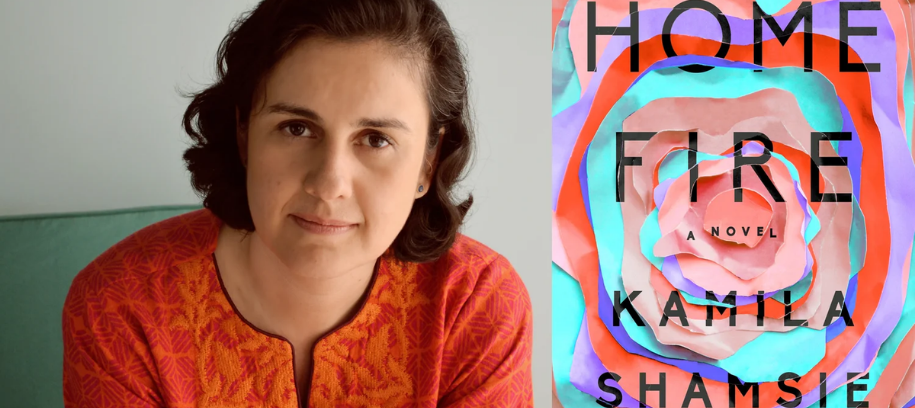
Kamila Shamsie – Home Fire
Through siblings Isma, Aneeka, and Parvaiz, Shamsie confronts Islamophobia, radicalization, and the struggle for identity with searing honesty. The result? A book both politically sharp and deeply human.
A special mention is necessary for Shamsie’s breakout novel Kartography (2002), which had already won acclaim for its sensitive portrayal of love and friendship against the turbulent backdrop of Karachi’s ethnic and political divides. Together, these works highlight Shamsie’s gift for writing stories that are both politically sharp and deeply human.
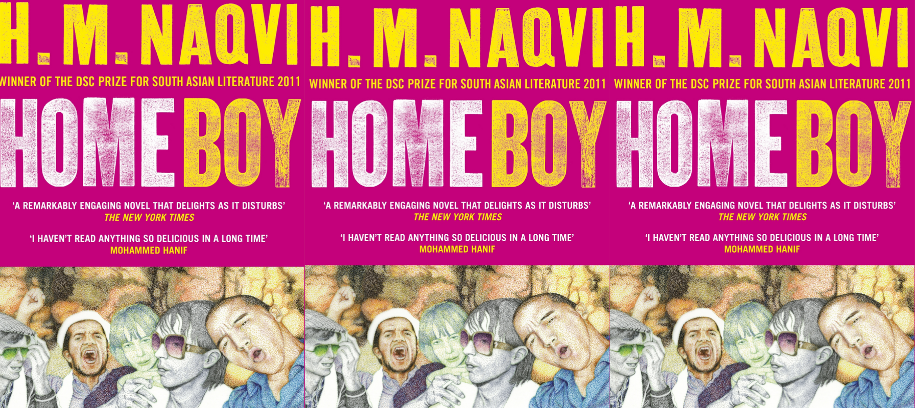
Set in post-9/11 New York, the novel captures the coming-of-age of three Pakistani friends who are suddenly cast into suspicion because of their ethnicity. With biting wit and sharp observations, Naqvi takes apart stereotypes while delivering an unforgettable immigrant story.
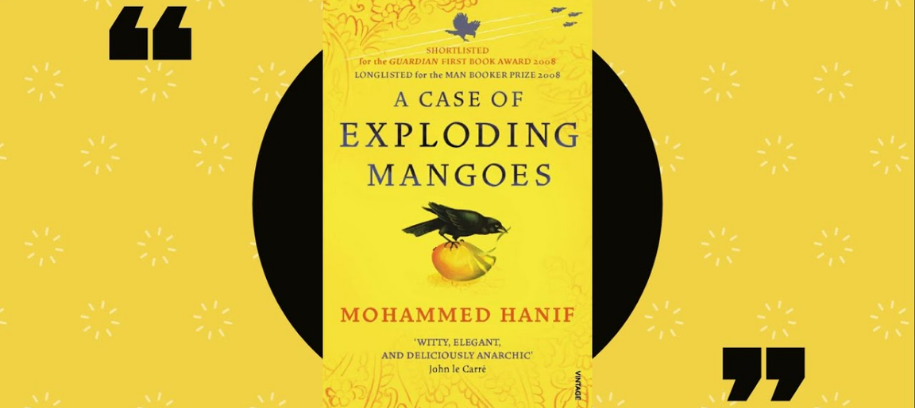
Mohammed Hanif – A Case of Exploding Mangoes
Writers like Daniyal Mueenuddin (In Other Rooms, Other Wonders) which was a Pulitizer Prize Finalist in 2010, have had a profound impact on Pakistani literature. His new book “This is Where the Serpent Lives” has readers clutching their hearts waiting for it’s release, which is scheduled for January 2026.
Finally, we must mention the unique flair of Sara Suleri in (Meatless Days 1989), a heartfelt memoir in post-colonial Pakistan, proving the diversity of voices coming from across this nation.
These award-winning works are more than just novels, they are bridges. They carry the richness of Pakistani history, politics, and culture to global readers while grappling with universal themes: identity, love, displacement, resilience. Whether through Hamid’s magical doors, Shamsie’s modern tragedies, or Hanif’s biting satire, Pakistani writers continue to push the boundaries of contemporary literature.
In short, the world isn’t just reading Pakistan. It’s finally applauding.