Over the last decade, the Pakistani music industry has risen to the global stage like a phoenix, to the classical beats of the unmistakable tabla or the groove of the new era hip hop, the relentless energy of local artists has put the sound of Pakistan on the map again.
Coke Studio: The Cultural Engine
No conversation about Pakistan’s music renaissance is complete without Coke Studio. Since its launch in 2008, the show has reshaped the country’s music landscape. By blending qawwali with EDM, folk with pop, and Sufi poetry with rap, Coke Studio introduced a new generation to old traditions and has simultaneously broadcast those sounds worldwide.
Let’s talk pioneers. From Alif Allah Chambay Di Booti (Season 4), Tajdar-e-Haram (Season 8), Afreen Afreen (Season 9), Faasle (Season 10), the stage was well set. Coke Studio had branded itself as the place for live music, raw instrumentals, and harmonies; no production had dared to bring on this scale so far within Pakistan.
And then happened, Season 14. Yes, we’re talking about the global explosion of Pasoori (Ali Sethi & Shae Gill), which didn’t just trend locally, but rather it became a global anthem, racking up millions of views and dominating Spotify charts from India to Canada.
Coke Studio dared to innovate, blending culture, visuals, and music. It allowed the underground voices within Pakistan to reach the audience, and they did not disappoint.
It was a turning point within the music industry in Pakistan, and it was rightfully met with applause, streams, and shares that crossed borders.
This was the missing piece. The wormhole that would lead deserving local music to its starving audiences. Streaming platforms and social media have opened doors that didn’t exist before. A decade ago, an artist might have struggled to break through without TV or radio.
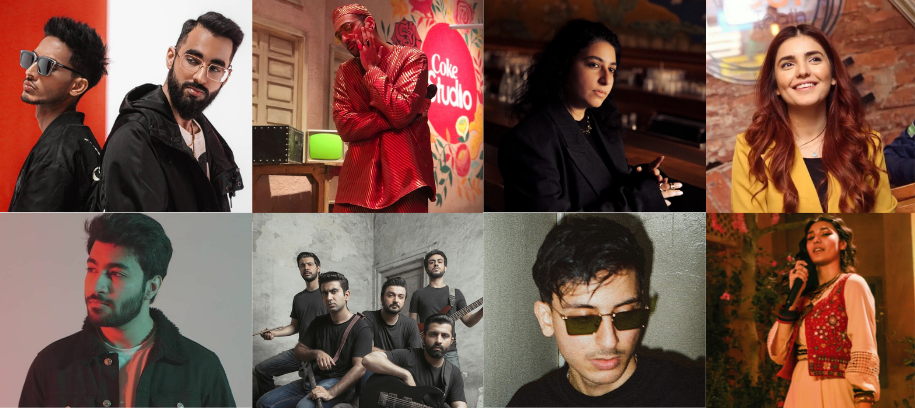
Now, independent musicians like Young Stunners, Hasan Raheem, and Shae Gill have built massive followings on YouTube, Instagram, and TikTok, with their songs often going viral far beyond Pakistan’s borders.
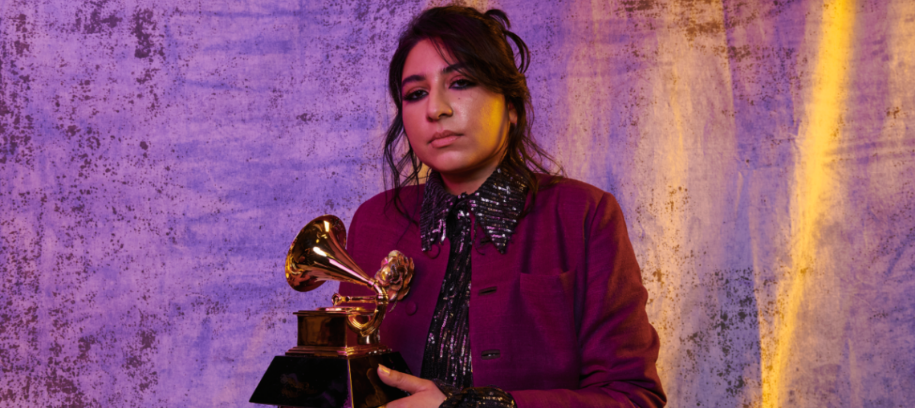
This democratization of music has also fostered cross-border collaborations. Spotify’s EQUAL Pakistan program and Coke Studio’s global reach have put Pakistani women artists such as Arooj Aftab, who became the first Pakistani to win a Grammy in 2022, at the center of international recognition.
We’ve always been there, waiting to be heard. And finally, the world is tuning in to the magic of our sound.
The best thing about Pakistani music? We do not confine our artists to one genre. It’s something of a kaleidoscope, similar to our culture. This is not a weakness, but rather our strength.
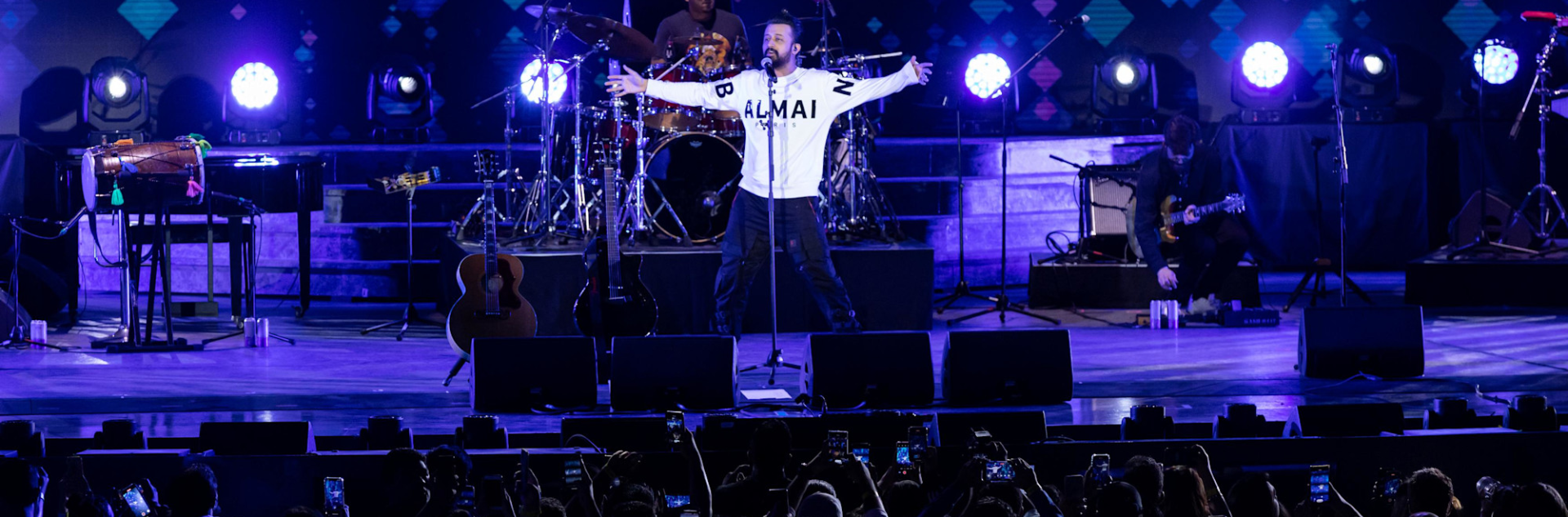
From folk legends like Abida Parveen, to pop icons like Atif Aslam, to rock giants like Junoon, the industry embraces every corner of its cultural heritage. Even newer festivals like Lahore Music Meet and Salt Arts gatherings showcase everything from indie rock bands to experimental electronica.
Ali Sethi is creating ripples through his reinvented Punjabi folk music, while artists like Faris Shafi use their irresistible flow to capture your attention. But this is mainstream, of course, do not rule out local sounds of our diversity, we’re talking Balochi rap and soulful Pashto music.
A lot is going on within our music scene, and when all these flavours bubble together in the same pot with a shared drive to take Pakistan’s sound global, you can only expect a musical revolution!
Pasoori is not the last the world will hear of us. As the industry continues to evolve, it’s clear that Pakistani music is no longer just surviving — it’s thriving.
With global streaming, boundary-pushing collaborations, and a renewed pride in cultural heritage, the country’s soundscape is shaping up to be one of South Asia’s biggest cultural exports.
Pakistani music today is not just background noise. It’s a story of resilience, reinvention, and a people rediscovering the power of their own voice. We’re back, and stronger than ever.