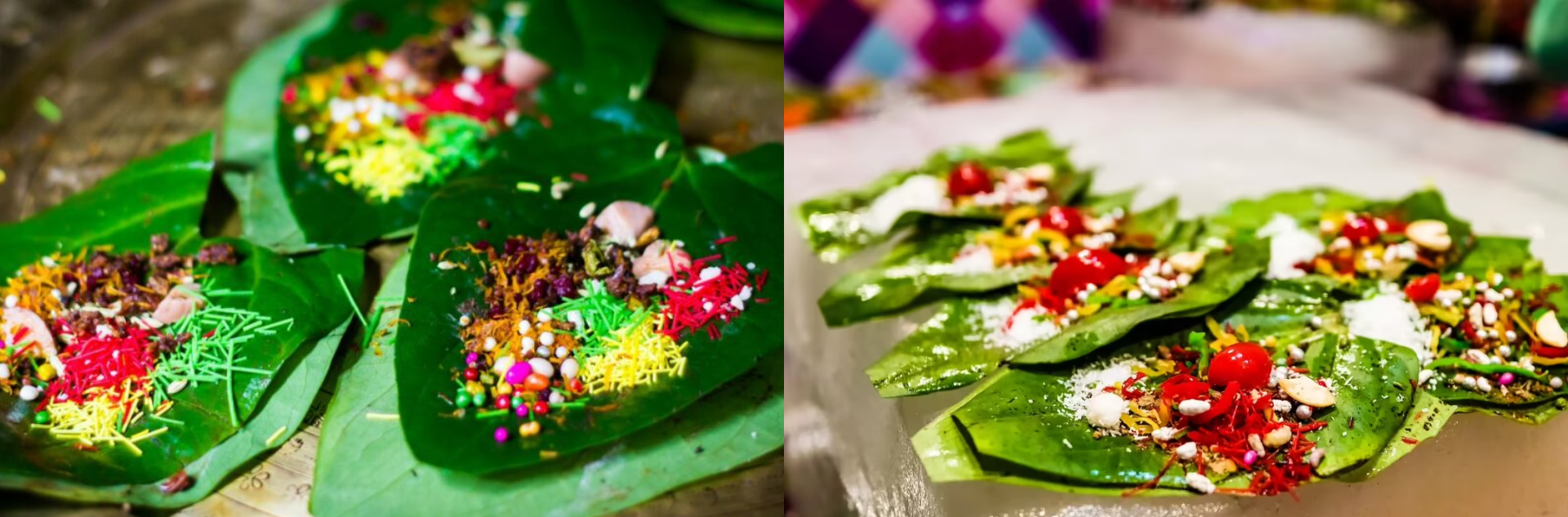
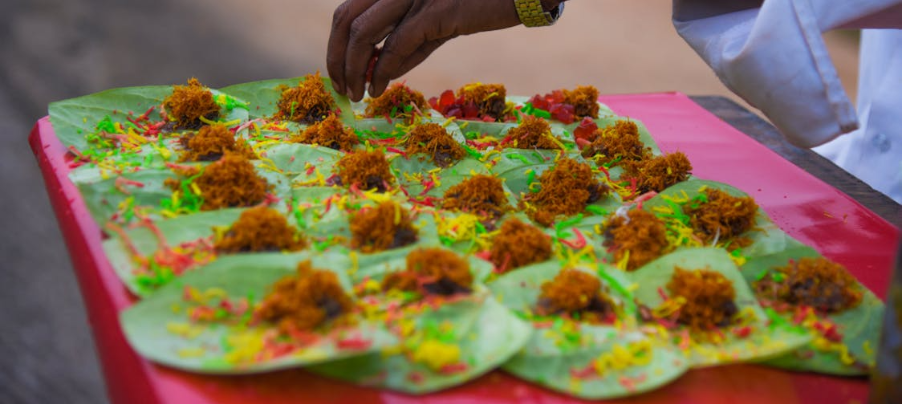
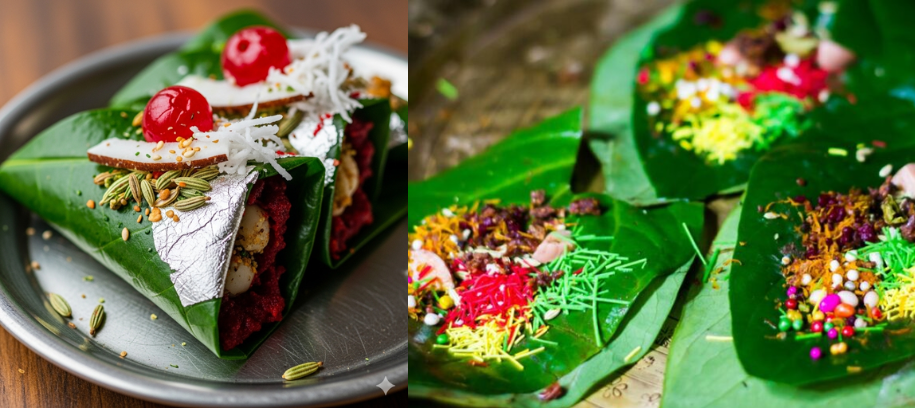
Paan, a betel leaf delicately folded and stuffed with a variety of ingredients, is more than just a mouth freshener or snack. It is a cultural tradition, a social practice, and in many ways, a symbol of hospitality across South Asia. From royal courts to roadside stalls, paan has traveled through centuries, adapting to changing times while retaining its place in daily life.
The history of paan stretches back thousands of years, even before the Mughal era. Archaeological and historical evidence suggests that chewing betel leaves with areca nut was common in South and Southeast Asia as early as 2,500 years ago. Ancient texts like the Charaka Samhita and Sushruta Samhita from India mention the digestive and refreshing qualities of betel leaves.
When the Mughals arrived in the Indian subcontinent, they elevated paan to a royal indulgence. Emperors like Akbar and Shah Jahan were known to keep special paan daans (decorative paan containers) made of silver and gold in their courts. It became a marker of refinement, with nobles competing to create the most luxurious and aromatic versions using exotic spices, perfumes, and even edible silver foil (varq).
Beyond the courts, paan quickly became woven into the fabric of South Asian society. Offering paan to guests became a gesture of hospitality and respect. It played a central role in weddings and festive occasions, where sharing paan symbolized joy and togetherness.
In rural communities, elders would gather after meals to enjoy paan while exchanging stories, while in urban centers, paan shops evolved into cultural hubs where conversations, poetry recitals, and even political discussions unfolded. Even today in cities like Karachi, Lahore, Delhi, and Dhaka, roadside paan stalls attract crowds late into the night.
The craft of preparing paan, often called paan-making, is considered an art form. A fresh betel leaf is carefully selected, smeared with slaked lime (chuna) and catechu (katha), then folded with an assortment of fillings.
There are countless variations:
- Meetha Paan (Sweet Paan): Filled with fennel seeds, coconut shavings, gulkand (rose petal jam), candied fruit, and silver foil.
- Zarda Paan: Contains flavored tobacco and aromatic spices, more common among older generations.
- Banarasi Paan: Famous in India, known for its heavy use of gulkand and rich, sweet flavor.
- Karachi Meetha Paan: Popular in Pakistan, featuring tutti frutti, coconut, and often served chilled.
In upscale South Asian restaurants, paan is sometimes reinvented as a modern dessert bringing more flavors like chocolate paan, ice cream paan, and even paan shots have become trendy alternatives. Speaking of flavors, people have added fun and adventure to eating paan as well! Ever heard of fire paan? Check it out here!
While paan holds deep cultural value, health concerns cannot be ignored. The World Health Organization (WHO) has identified areca nut (a key ingredient in most paans) as a carcinogen. Regular consumption of paan with tobacco significantly increases the risk of oral cancers, gum disease, and other health issues.
On the other hand, sweet paan without tobacco is less harmful and is often consumed as a digestive or palate cleanser after meals. Betel leaves themselves are known to have antimicrobial properties, which may explain their use in traditional medicine.
Paan in Literature and Pop Culture
Paan has also left a mark on South Asian arts and literature. It appears in poetry, folklore, and cinema as a symbol of love, intimacy, and tradition. In Bollywood, songs like “Khaike Paan Banaraswala” immortalized the cultural image of paan, while in Pakistani dramas, offering paan often signifies warmth and hospitality.
In literature, poets and writers frequently referenced paan as part of daily life, highlighting its role in conversations, romance, and rituals.
What’s next for Paan in South Asia?
In modern South Asia, the role of paan is evolving. While traditional paan stalls continue to thrive, especially in Pakistan and India, younger generations are experimenting with new forms like chocolate paan, strawberry paan, and even paan-inspired desserts. Upscale restaurants in Karachi and Lahore often feature gourmet meetha paans on their menus, showing how this age-old tradition is adapting to contemporary tastes.
At the same time, awareness campaigns about the dangers of tobacco-laced paan are pushing people toward safer alternatives. This shift suggests that while the tradition of paan will remain, its form and function may continue to change in the years ahead.