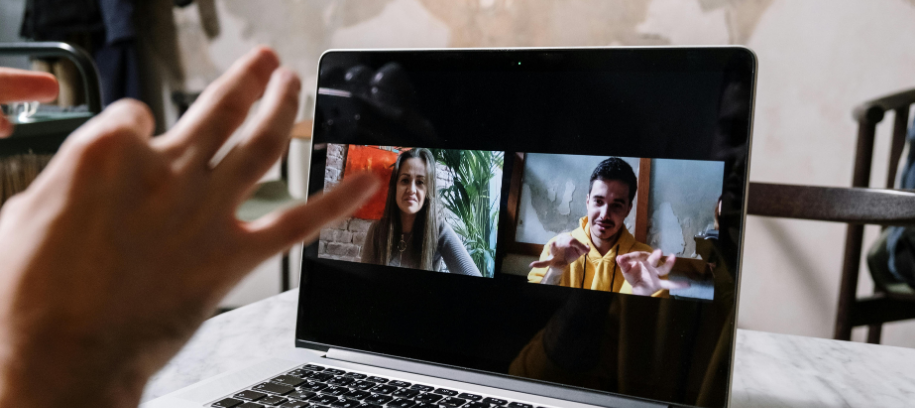
“Work-life balance” has become the ultimate buzzword in Pakistan’s fast-paced cities, Karachi, Lahore, and Islamabad, but for most of us, it feels more like a myth than a reality. Endless office hours, traffic that eats your soul, and the constant pressure to stay “online” make downtime feel almost like a luxury.
The Struggle is Real
Research from the International Labour Organization (ILO) depicts that Pakistani employees spend an average of 47.5 hours a week working, and for men, it’s even higher – almost 51.5 hours on average. These statistics are well above the international standard of a 40-hour work week. And that’s before you factor in the daily commute, and honestly, traffic in Pakistan is basically Satan’s spawn.
So, with Pakistan ranking in the top half of the longest working hours, it’s no surprise the word “work-life balance” is huffed at, because all that matters is work and money. Soon, we’ll forget what weekends exist for too.
Why Balance Matters
I know this sounds like a strange word to alot of you, but it’s important to understand balance. Ignoring your personal life isn’t just about feeling tired. Over time, it drains your energy, wrecks your mood, and even affects your health.
Various studies have linked long working hours with higher stress levels and increased risk of hypertension. Globally, research consistently shows that employees who prioritize downtime, family, hobbies, and rest, are more productive, creative, and engaged.
I think the whole population needs a rewatch of Zindagi Na Milegi Dobara at this point.
The Workplace is Slowly Catching Up
Here’s some good news: a few Pakistani companies are realizing that you don’t need to be chained to your desk to get things done. Slowly we see the introduction of flexible hours, remote work options, and mental health leave options that are slowly appearing in HR policies. Post-COVID, many offices realized that being “present” doesn’t always mean physically present. While still limited to larger firms and startups, it’s a step in the right direction.
What You Can Do (Yes, You!)
Until work-life balance becomes the norm, it’s up to you to carve out time, take control of your life.
Set digital boundaries: studies show checking work emails at night increases stress by up to 20%. Try no emails after 9 PM.
Guard family and me-time: dinner isn’t just a meal; it’s sacred. Phones off, attention on.
Make time for you: even 20–30 minutes of exercise, a short walk, or a hobby has been linked to better mental well-being and creativity.
Small, intentional choices like these can slowly reclaim your life from work’s endless tug-of-war. And while work-life balance in Pakistan is still part fantasy, part reality, burnout is real.