YouTube has dominated the Internet for almost two decades now. It is basically the Shahrukh Khan of video-sharing platforms. According to research conducted by the GMI Team, over 2.7 billion people worldwide actively use YouTube per month, which is more than 30% of the world.
South Asia alone takes up a huge slice of this pie, with the highest number of users hailing from India, a whopping 491 million. That’s more people watching YouTube than the entire population of the United States!
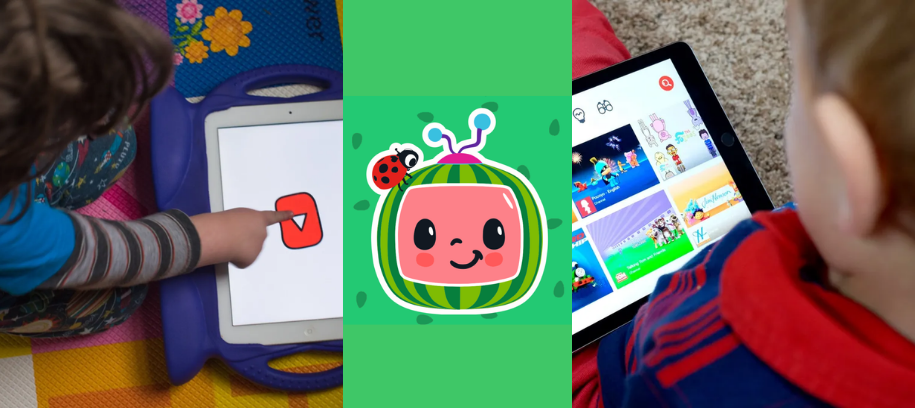
In 2015, there entered a new goliath: YouTube Kids. A candy-colored, hyperactive playground where cartoons, songs, and “fun facts” collide at hyperspeed. Now, the stakes are higher than ever for the parents. Every tap has the power to teach, but also to trap. Which leaves the big, burning question: how safe is YouTube Kids, really?
The Internet is a Rabbit Hole (and not the fun kind)
Kids today spend more time online than ever and the numbers are (eye-opening). The Centers for Disease Control and Prevention (CDC) reports that the average daily hours by age group is around the following:
8-10 years old: Six hours
11-14 years old: Nine hours
15-18 years old: Seven and 1/2 hours
Platforms like YouTube Kids have revolutionized how children explore the digital world, offering videos on everything from science and history to music and entertainment. In South Asia, local content is also booming, this includes educational channels, storytelling, and culturally relevant cartoons. But this also invites risks, such as:
Exposure to inappropriate content
Excessive screen time
Promotion of passive consumption over active learning.
Without guidance, what starts as a harmless scroll can quickly become a rabbit hole that’s hard to climb out of.
Digital Literacy is a Skill!
Digital literacy isn’t just your spelling-bee word of the day, it’s a skill kids need now more than ever. Navigating YouTube Kids, requires more than passive viewing; it demands critical thinking and an understanding of what is real versus made purely for clicks and views.
This responsibility is shouldered by the adults, do not just let your kid consume mindless content! Teach them to question what they watch and distinguish entertainment from education. It is as important as teaching them to read or do math. After all, 1+1 isn’t 3, and that viral video of a dog “doing taxes” isn’t exactly factual either. And it’s best your kid can tell them apart.
Tips for Safe and Smart YouTube Kids Viewing
Co-watch when possible! → Engage with your child, discuss the content, and answer curious questions.
Set screen-time boundaries → Make sure screen time is a treat, not a developing habit to keep them occupied.
Use parental controls → Luckily, YouTube Kids offers settings for age filters, content restrictions, and time limits, use them to your advantage.
Encourage critical thinking → Ask your child why they like a video and what they learned from it.
Promote offline activities → Balance screen time with outdoor play, reading, or cultural activities like storytelling sessions in Urdu or local crafts.
Teaching children how to question, analyze, and engage critically with what they watch empowers them to use YouTube Kids as a tool, not a trap.
For South Asian families, where digital access is exploding and cultural content is only a click away, the responsibility is even greater. The internet will keep evolving, but with mindful parenting and the right skills, kids can learn to explore it with curiosity and confidence and not concern!